Handling mobile media that documents human rights violations can put those brave enough to capture a record -- and those very records -- at risk. OpenArchive's free open source Save app and DWeb Storage help communities securely archive, verify, and encrypt this documentation without depending on centralized platforms that can remove, lose, or expose sensitive data at a moment's notice.
Anti-censorship tools are only as powerful as their ability to keep running. When the door to the open internet gets slammed shut, Unredacted builds another one.
Fighting internet censorship requires more than noticing when it happens. It requires documenting it, sharing evidence, and building the collective capacity to respond. OONI makes that possible.
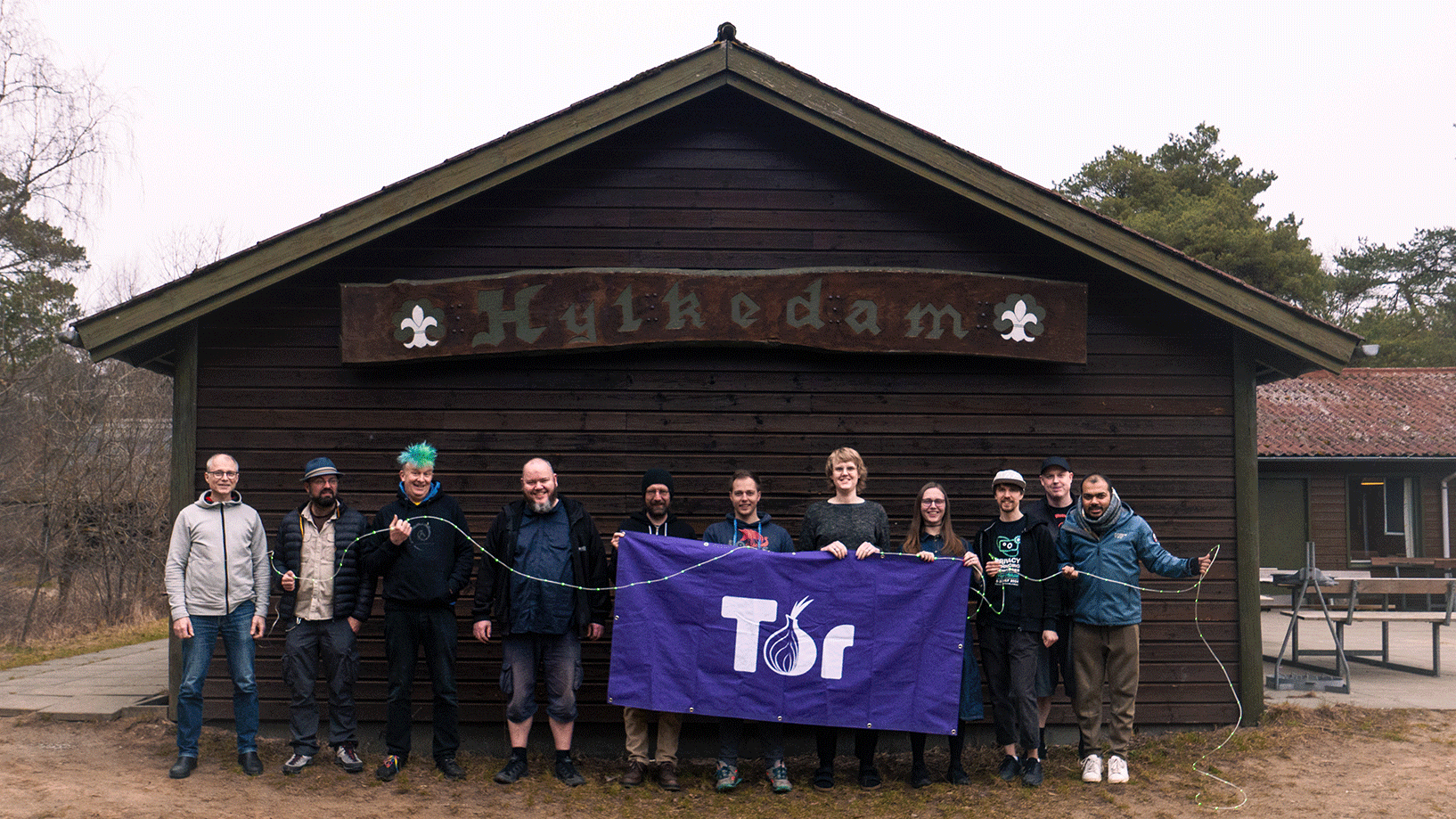
The Tor community organized a second gathering at Hylkedam, Denmark, building on lessons from the first event with minimal planning and a mix of structured and unstructured sessions. Despite a smaller group, new contributors and ongoing projects led to productive collaboration, and we hope to expand future meetings with broader participation and new venues.
The Tor Project is deeply saddened by the last-minute cancellation of RightsCon 2026. While canceling may have been necessary to protect participants, the circumstances behind it underscore the urgent fight against censorship, surveillance, and restrictions on civic participation. Tor stands in solidarity with RightsCon, Access Now, local organizers, and civil society in Zambia and across the region, and remains committed to building tools that help people communicate freely, safely, and privately.
In this post we explore how a stateless, diskless operating system can improve relay security with a focus on software integrity and physical attack resistance. This work and guest post is by Osservatorio Nessuno who run exit relays in Italy.
A computer science student at National Taiwan Normal University successfully set up a Tor Relay on campus by working within institutional processes—communicating with administrators, completing paperwork, and explaining the difference between relays and exit nodes. This guest post from anoni.net shares practical advice for deploying Tor relays on university networks.
The TPA (Tor Project system Administrators) team has changed
its decision making process from RFC ("Request for Comments") to ADR
("Architecture Decision Records"). This simplifies our work,
communication, and documentation.
7aSecurity conducted a comprehensive code audit for several tools we use to monitor the health of the Tor network. This blog post outlines key recommendations and links to the full report.